Everything You Need to Know About Weight Struggles in Perimenopause and Menopause, Why Your Body Is Not Working Against You, and What You Can Actually Do
A simple, evidence-backed guide for women who are tired of feeling like something is wrong with them 🌸
We need to talk about something that so many women feel but don’t say out loud. 💛
Why does the scale feel like it has a mind of its own in perimenopause? 🥀
Why does your husband start a diet on Monday and lose 10 pounds by Friday, while you do the SAME diet, the same workouts, the same water intake, and the scale barely moves? 😩
Why do you feel like your body changed overnight?
Why does everything that used to work… just stop working?
You are NOT crazy. You are NOT broken. You are NOT doing it wrong. ✨
You are a woman. And a woman’s body is designed differently than a man’s. And when your hormones start shifting in perimenopause and menopause, your body plays by an entirely new set of rules.
Today, let’s finally understand WHY. And more importantly, let’s talk about what you can actually do about it. 🌸
Save this. Share it with every woman you love. Because this changes everything. 💛
🌸 First, Let’s Be Honest About WHY Women’s Weight Loss Hits Different
Let me break down the real biology here. In the simplest way possible. 💛
Reason 1: Hormones Call ALL the Shots 🧬
Women have two main sex hormones: estrogen and progesterone. These hormones don’t just affect your period. They affect:
🔬 How your body uses sugar 🔬 How your body stores and burns fat 🔬 Where your body puts the fat (hips, thighs, belly) 🔬 Your appetite and cravings 🔬 Your sleep 🔬 Your stress response 🔬 How much muscle you can build and keep
When your hormones are balanced, your body works WITH you. When they start fluctuating (perimenopause) or declining (menopause), everything changes. 🌸
Reason 2: Men Have More Muscle. Period. 💪
Men naturally have more muscle mass than women. And muscle is a metabolic furnace. More muscle = more calories burned at rest.
So when your husband cuts out beer and bread for a week? He drops weight fast because his bigger muscle mass is burning more fuel.
You’re not failing. You just have less built-in metabolic firepower, and you need to be strategic about it. 💛
Reason 3: Women’s Bodies Are Designed to STORE Fat 🌸
This is actually a beautiful evolutionary thing. Women’s bodies are built to store fat for pregnancy, breastfeeding, and survival. We’re wired to hold onto energy.
Men’s bodies? They’re built to burn through energy quickly.
So dropping fat is not just a willpower thing. It’s a biology thing. ✨
Reason 4: The Perimenopause Metabolism Shift 🔥
Here’s where it gets really interesting.
A 2008 study published in the International Journal of Obesity showed that during the menopausal transition, women have:
📉 Decreased energy expenditure (fewer calories burned at rest) 📈 Increased visceral fat (the belly fat around organs) 📉 Reduced fat oxidation (your body stops burning fat as efficiently)
This isn’t you eating more. It’s your body changing how it processes energy. 🤯
Reason 5: Cortisol + Insulin + Estrogen = The Perfect Storm 🌀
As estrogen declines, your body becomes MORE sensitive to: 🚫 Stress (higher cortisol) 🚫 Carbs and sugar (insulin resistance) 🚫 Poor sleep (which raises BOTH cortisol and hunger hormones)
So the SAME lifestyle that worked at 30 can completely stop working at 45. And it’s not your fault. It’s the biology. 💛
🧬 The DNA Piece Nobody Talks About
Here’s the part I REALLY want you to hear.
Your genes play a HUGE role in how your body responds to food, exercise, stress, and even specific supplements.✨
For example:
🧬 The FTO gene affects your hunger signals and how prone you are to carrying extra weight.
🧬 The MC4R gene affects appetite regulation and cravings.
🧬 The PPARG gene affects how your body stores fat and responds to carbohydrates.
🧬 The ADRB2 gene affects how efficiently you burn fat during exercise.
🧬 The MTHFR gene affects how you detoxify, which impacts hormone metabolism.
🧬 Vitamin D receptor genes affect how well your body uses vitamin D, which impacts weight regulation.
This is why generic diet advice fails SO many women. 🚫
You might be eating the “perfect” Mediterranean diet, but if your DNA says you don’t process fats well, you won’t see results. Or you might be hitting the gym hard, but if your genes say you don’t recover well from high-intensity exercise, you’re actually making things worse.
Knowing YOUR genes is the fastest way to stop guessing and start winning. 💛
(More on how to find this out at the end of the blog.) 🌸
🥗 Nutrition: What Actually Works for Women in This Season
Let’s get practical. Here’s what the research shows actually helps women lose weight and maintain it during perimenopause and menopause. 💛
🥩 Protein First. Always.
If you take ONE thing from this blog, let it be this.
Protein is the single most important nutrient for women during this life stage. 💪
Why?
✨ Protein preserves and builds muscle (which keeps your metabolism alive) ✨ Protein keeps you fuller longer (so you eat less without trying) ✨ Protein stabilizes blood sugar (which balances hormones) ✨ Protein supports hair, skin, and nails (bonus!)
Aim for 1 gram of protein per pound of ideal body weight daily. For most women, that’s 100 to 130 grams per day.
Best sources: 🐟 Wild fish (salmon, sardines) 🥚 Pasture-raised eggs 🐓 Clean organic chicken and turkey 🥩 Grass-fed beef 🌱 Lentils, beans, chickpeas (for plant-based days) 🥤 Clean protein powders (like Momentous or Just Ingredients)
A 2024 randomized controlled trial published in Nutrition showed that postmenopausal women who combined strength training with a high-protein diet significantly improved body composition, strength, and lean mass over 12 weeks. ✨
🥬 Fiber + Colorful Veggies
Fiber feeds your gut microbiome, which directly impacts your weight, hormones, and mood. Aim for 25 to 35 grams daily. 🌿
🥑 Healthy Fats
Avocado, olive oil, nuts, seeds, wild fatty fish. These support your hormones, your brain, and your satiety. 💛
🚫 What to Minimize
🚫 Ultra-processed foods 🚫 Added sugar 🚫 Refined carbs (white bread, pasta, pastries) 🚫 Seed oils 🚫 Alcohol (sorry, loves)
Alcohol is a HUGE weight-loss blocker in perimenopause. Your liver prioritizes processing alcohol over burning fat. So that nightly glass of wine? It might be the exact thing holding your weight hostage. 🍷
🍽️ Food Combinations That Work
Pair every meal with:
✨ Protein + fiber + healthy fat
This combo keeps blood sugar steady, insulin low, and hunger managed. 💛
Example: Grilled salmon + roasted veggies + avocado = perfect. 🌸
💉 The GLP-1 Conversation (Let’s Talk Honestly)
I know you’ve seen it everywhere. Ozempic. Wegovy. Mounjaro. Zepbound.
These are GLP-1 receptor agonists, originally designed for type 2 diabetes, now widely used for weight loss.
Let me be honest with you about both sides. 💛
🌸 Why They Work
GLP-1s mimic a hormone your body naturally produces that: ✨ Slows digestion (you feel full faster) ✨ Reduces hunger signals ✨ Improves insulin sensitivity ✨ Can lead to significant weight loss
For some women, they are LIFE-CHANGING. Especially those with genetic predispositions to insulin resistance, PCOS, or significant metabolic dysfunction. 💛
⚠️ The Important Side Effects + Considerations
But please, please know the full picture.
🚫 Nausea, vomiting, constipation, diarrhea (very common) 🚫 Muscle loss (which can tank your metabolism long-term) 🚫 Bone density loss (especially concerning for women in perimenopause) 🚫 Gallbladder issues 🚫 Potential pancreatitis 🚫 Thyroid tumor risk (research is still emerging) 🚫 Rebound weight gain when you stop 🚫 Loss of appetite that becomes problematic 🚫 “Ozempic face” (loss of facial fat and sagging skin)
I’m not here to tell you yes or no on GLP-1s. I’m here to tell you to make an informed decision with your doctor. If you choose to go that route, PLEASE focus heavily on strength training and high protein to protect your muscle and bones. ✨
💛 A More Holistic Alternative Worth Discussing
If you want to try a more holistic path first (or alongside), here’s one worth researching with your doctor.
🌿 Berberine: Nature’s Metformin
Berberine is a plant compound that’s been studied extensively for:
✨ Lowering blood sugar ✨ Improving insulin sensitivity ✨ Supporting healthy weight loss ✨ Lowering cholesterol ✨ Supporting gut health
A 2024 randomized clinical trial published in JAMA Network Open showed berberine supplementation significantly reduced adiposity (fat tissue) in people with obesity and metabolic dysfunction. 🔬
A 2023 systematic review and meta-analysis in The Journal of Nutrition found berberine significantly improves glycemic and insulin-related markers, with notable effects on women specifically. ✨
It’s not a magic pill. But for women with insulin resistance, PCOS, or metabolic struggles, it can be a beautiful tool when combined with nutrition and movement. 💛
Always discuss with your doctor before starting. 🌸
🏋️♀️ Movement: The Combination That Actually Works
Please stop doing hours of cardio hoping to lose weight. It’s not working for a reason.
Here’s what the research shows is MOST effective for women in this stage of life. 💛
🚶♀️ Walking (The Underrated Hero)
Walking is one of the most powerful tools you have.
A 2023 randomized controlled trial in Scientific Reports showed that moderate intensity walking significantly reduced BMI and inflammation markers in postmenopausal women with obesity. 🌿
Aim for 8,000 to 10,000 steps a day. Walk after meals (this helps regulate blood sugar). Walk in nature. Walk with a friend. Walk while you take a phone call.
💪 Strength Training (The Real Game-Changer)
Lifting weights is NON-NEGOTIABLE for women in perimenopause and menopause. 🌸
Why? ✨ Builds muscle (your metabolic furnace) ✨ Protects your bones (prevents osteoporosis) ✨ Improves insulin sensitivity ✨ Boosts hormonal health ✨ Helps you age with strength and grace
Aim for 2 to 3 strength training sessions a week. Focus on compound movements: squats, deadlifts, rows, presses, lunges.
You don’t need a fancy gym. Dumbbells at home work beautifully. ✨
A 2024 randomized clinical trial in Nutrition confirmed that strength training combined with high protein intake significantly improved body composition and strength in postmenopausal women over just 12 weeks. 🔬
🧘♀️ The Perfect Combo
The research shows the WINNING combination for women in this life stage:
Walking (daily) + Strength training (2-3x a week) + High protein
That’s it. That’s the formula backed by the science. 💛
Don’t make it more complicated than that.
🔬 Biohacking Tools Worth the Investment
If you want to add some smart biohacking tools to accelerate your results, here are the ones with the best research. ✨
🧖♀️ Sauna (studies show 4 to 7 sessions a week support cardiovascular health, longevity, and fat loss)
❄️ Cold plunges or cold showers (support metabolism and mitochondria)
☀️ Red light therapy (supports skin, mitochondria, and recovery)
⌚ Wearable trackers (Oura ring or Whoop to monitor sleep, HRV, and recovery)
🥤 Continuous Glucose Monitor (reveals which foods spike YOUR blood sugar personally)
🧬 DNA testing (so you can finally eat and move for YOUR genes)
🎵 Sound frequency (for nervous system support and sleep)
🌳 Grounding / walking barefoot in nature (lowers cortisol)
💊 Supplements That Can Support You
Always talk to your healthcare provider before starting new supplements. 💛
Here are the ones that have the strongest research for women in this stage:
🌿 Magnesium (sleep, nervous system, insulin sensitivity) 🐟 Omega-3s (inflammation, hormones, brain) ☀️ Vitamin D3 + K2 (bone, mood, immune, weight regulation) 🌱 Berberine (if your doctor approves, for blood sugar + metabolic support) 💪 Creatine (yes, women too! Muscle and brain) 🥩 High-quality protein powder 🧬 CoQ10 or Ubiquinol(energy and mitochondrial support) 🌸 A quality probiotic (gut health = weight regulation) ✨ Collagen peptides (skin, joints, gut)
💛 A Final Word (Please Read This)
Please stop blaming yourself for how your body is responding right now. 🌸
Your body is NOT broken.
It’s doing exactly what it’s biologically designed to do during this massive hormonal transition. The old rules just don’t apply anymore.
But that doesn’t mean you can’t thrive. It just means you need a NEW set of rules. Rules designed for YOUR body, YOUR genes, YOUR hormones, YOUR life.
Start small. Pick ONE thing from this blog and add it this week:
🥩 Hit your protein target 💪 Add one strength training session 🚶♀️ Walk 8,000 steps a day 🌸 Prioritize 7 to 9 hours of sleep 💧 Stop drinking (or reduce) alcohol 🧬 Learn about your genes
Then add another. Then another.
This is how you re-write your health story. One choice at a time. 💛
Save this. Share it with your sister, your mom, your best friend. Every woman deserves to know that she’s not broken. She’s just a woman. And her body deserves to be understood. 👯♀️🌸
Progress, not perfection. Always. ✨
Xo,
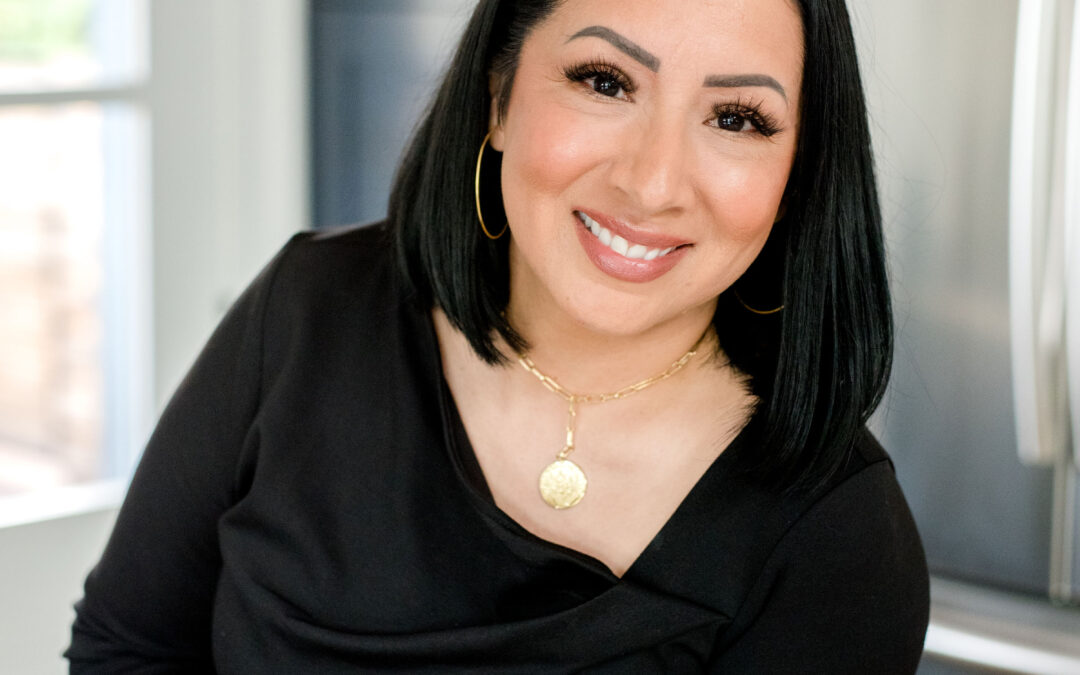
Clarita Escalante, Functional Nutrition + Genetics Specialist and Founder of Claridad
🌸 If You Want Help Taking the Next Step
I kept this blog free of a hard pitch because I wanted you to walk away with REAL education and tools you can start using today. 💛
But if you want more personalized help, I offer two paths:
🧬 The Wellness Method
A fully customized protocol built around YOUR unique DNA. We run a comprehensive at-home genetic test, meet virtually to walk through your results, and I build you a personalized nutrition, supplementation, movement, and lifestyle plan designed for YOUR body. Perfect if you want to stop guessing and start working WITH your biology. ✨
💊 One-on-One Supplementation + Peptide Consultations
If you want tailored support for supplements or peptide protocols specific to your goals (fat loss, muscle gain, hormone support, longevity, recovery), I offer private one-on-one consultations where we go deep on exactly what your body needs. 🌸
👉 Reach out here to learn more or send me a DM. I read every single message. 💛
📚 Sources & Peer-Reviewed Research
- Lovejoy et al. (2008). Increased visceral fat and decreased energy expenditure during the menopausal transition. International Journal of Obesity
- Davis et al. (2012). Understanding weight gain at menopause. Climacteric
- OsteoLaus Cohort (2018). Menopausal Hormone Therapy and Visceral Adiposity. Journal of Clinical Endocrinology & Metabolism
- Papalou et al. (2024). Berberine and Adiposity in Diabetes-Free Individuals With Obesity: A Randomized Clinical Trial. JAMA Network Open
- 2023 Systematic Review and Meta-Analysis of Berberine on Glycemic and Insulin-Related Traits. The Journal of Nutrition
- 2024 Randomized Controlled Trial on Resistance Training and High Protein in Postmenopausal Women. Nutrition
- Moderate Intensity Walking Reduces BMI and Inflammation in Postmenopausal Women (2023). Scientific Reports
- Nordic Walking + High-Protein Intake + Time-Restricted Eating in Postmenopausal Women. Nutrients
- Weight gain and the menopause: a 5-year prospective study. Maturitas
Disclaimer ⚠️
This article is for educational and informational purposes only and is not intended as medical advice. The information shared here is not a substitute for consultation with a licensed healthcare provider. Always consult your physician before starting a new supplement regimen, exercise program, or weight loss protocol, especially if you are pregnant, breastfeeding, taking medications, or have any underlying health conditions. GLP-1 medications, berberine, and other supplements all carry potential side effects and should only be used under the guidance of a qualified healthcare professional. Individual results vary.