Let’s start with a deep breath. 🌿
If you’ve been anywhere online lately, you’ve probably seen the headlines. Microplastics in our blood. Endocrine disruptors in our lotions. Forever chemicals in our drinking water. And it can feel completely overwhelming, like every product in your home is suddenly a threat. 😰
I get it. I’ve been there too.
But here’s what I want to promise you right up front: this blog is not going to scare you into paralysis. It’s going to educate you, empower you, and give you simple, doable swaps you can start today. ✨
Because here’s the truth. You cannot avoid every toxin. That is not the goal. The goal is to lower your daily toxic load enough that your body can do what it was designed to do: filter, detox, and thrive. 💛
Let’s get into it.
First: A Personal Note 💛
When I was diagnosed with cancer, one of the first questions I asked was: why?
I ate well. I moved my body. I was a “healthy” person.
But when I started digging into research on environmental toxins, endocrine disruptors, and microplastics, my world opened up. I realized my daily exposure was much higher than I’d ever imagined. Not from any one big source. From a hundred small ones. My skincare. My cleaning products. My water bottle. My food storage. My candles. My laundry detergent. My cookware.
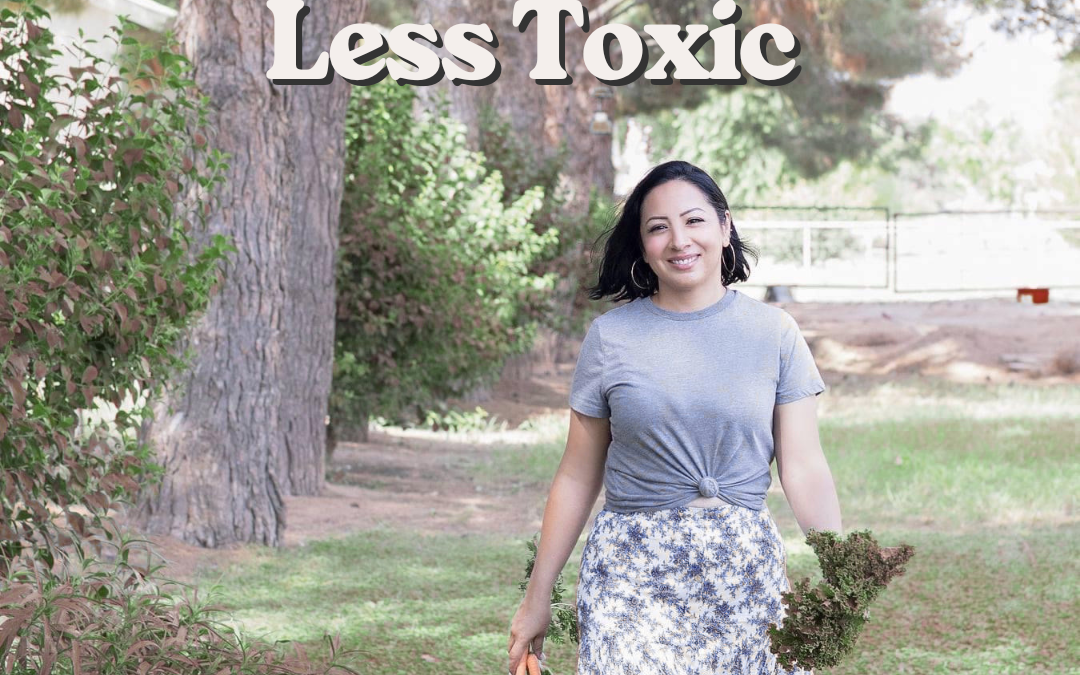
That awareness is exactly why I founded Claridad. To help women live a little less toxic without needing a chemistry degree, without fear, and without overwhelm. 🌸
Everything in this blog comes from that same intention. Real information. Real solutions. Real support.
What Are Endocrine Disruptors (In Plain English)? 🧬
Your endocrine system is your body’s internal messenger service. It’s a network of glands that produce hormones. And those hormones control almost everything you care about:
- 🌸 Your menstrual cycle
- 🔥 Your metabolism and how easily you gain or lose weight
- 🧠 Your mood and mental clarity
- 😴 Your sleep
- 💪 Your energy
- 🌱 Your fertility and reproductive health
- 🛡️ Your immune system
- 🧬 Your growth and repair
Endocrine disruptors are chemicals that get into your body from the outside world and mess with this messenger system. They can mimic your natural hormones (tricking your body), block your hormones from doing their job, or scramble the signals entirely. ⚡
Common endocrine disruptors include:
- BPA and BPS (found in plastic bottles, food cans, receipts)
- Phthalates (found in fragrance, plastic wraps, cosmetics, personal care)
- PFAS or “forever chemicals” (found in nonstick cookware, waterproof fabrics, fast food wrappers)
- Parabens (preservatives in beauty products)
- Fragrance (a legal loophole that hides thousands of chemicals under one word)
- Pesticides (on conventional produce)
- Flame retardants (in furniture, mattresses, electronics)
Even in small doses, these chemicals can disrupt hormone signaling. And here’s the important part: research shows the effects are often worse at low, chronic doses than at higher acute ones. Your body doesn’t need a massive exposure. It just needs a constant low-grade one. 📉
What Are Microplastics? And Why Are They Everywhere? 🧴
Microplastics are tiny pieces of plastic smaller than 5 millimeters. Nanoplastics are even smaller, tinier than a single micron. And here is what recent research has confirmed:
Microplastics have now been found in every single human placenta tested in a 2024 study published in Toxicological Sciences. 🤯
They’ve been detected in human blood, hearts, arteries, liver, lungs, testicles, ovaries, breast milk, cord blood, and even inside the human brain (published in Nature Medicine, 2025). 🧠
A 2025 systematic review in Endocrines concluded that micro- and nanoplastic pollution acts as a significant endocrine-disrupting force in the human body, contributing to inflammation, oxidative stress, and hormonal dysfunction across multiple organ systems.
Where do they come from? Everywhere.
- 🌬️ Air (yes, you inhale microplastics indoors and outdoors)
- 💧 Water (bottled water has been shown to contain hundreds of times more plastic than tap)
- 🍽️ Food (especially food stored, cooked, or reheated in plastic)
- 🪥 Personal care (cutting boards, toothbrushes, cosmetics)
- 👚 Clothing (synthetic fabrics shed plastic fibers in your dryer and washing machine)
- ☕ Coffee cups, tea bags, disposable containers
- 🧴 Cleaning and beauty products with microbeads or synthetic polymers
The Science: What This Is Actually Doing Inside Our Bodies 🔬
Let’s look at what the research is showing.
1. Weight, Metabolism, and “I Can’t Lose Weight” 🏋️♀️
Here’s a conversation Dr. Vivian Chen (co-founder of Lumebox) and Shawn Stevenson had on The Model Health Show that stopped me in my tracks. Dr. Chen shared how endocrine disruptors and microplastics damage your mitochondria, the tiny energy factories inside your cells. When your mitochondria are damaged, your metabolism slows, your energy drops, and your body starts storing fat instead of burning it.
She and Shawn discussed a study published in Frontiers in Endocrinology showing that microplastic accumulation in the liver and kidneys can boost the growth and accumulation of fat cells and disrupt energy balance, ultimately affecting body weight.
Translation: this is going way beyond calories in, calories out. If you’ve been eating clean, working out, and still can’t lose weight, this may be part of your story.
Research on phthalates and BPA shows they can activate PPAR receptors that trigger fat cell growth, reduce insulin sensitivity, and disrupt thyroid function. A systematic review and meta-analysis published in Environmental Science and Pollution Research found a significant positive association between phthalate exposure and increased insulin resistance. 📊
2. Hormones and Perimenopause 🌸
Endocrine disruptors have been shown to:
- Interfere with estrogen and progesterone signaling
- Disrupt the HPA (stress) axis
- Alter thyroid hormone production (which controls almost every metabolic function)
- Interfere with the HPG (reproductive) axis
If you’re in your 30s or 40s and dealing with worsening PMS, irregular cycles, worse perimenopause symptoms, mood swings, or fatigue that no supplement seems to fix, your daily toxic exposure could be part of the equation.
3. Fertility and Reproductive Health 🌱
A 2024 study published in Environment International found that polyethylene microplastic exposure adversely affects oocyte quality (egg quality) in both humans and mice. Additional research has linked microplastic exposure to reduced ovarian reserve, fewer mature follicles, and lower ovarian weight in animal studies.
For any woman trying to conceive, or wanting to protect her ovarian health long-term, this is huge. 💛
4. Inflammation, Oxidative Stress, and Chronic Disease 🔥
Recent human-based research has consistently found microplastic exposure associated with elevated inflammatory markers (CRP, IL-6, TNF-alpha) and increased oxidative stress markers. Chronic inflammation and oxidative stress are the mechanisms underlying nearly every modern chronic disease: cardiovascular disease, autoimmune conditions, neurodegeneration, and cancer.
5. Cardiovascular Health ❤️
In 2024 and 2025, groundbreaking research linked the presence of microplastics and nanoplastics in atherosclerotic plaques (the fatty buildup in your arteries) to increased cardiovascular risk. A separate 2025 study in Science Advancesfound that microplastics in the bloodstream can induce cerebral thrombosis by causing cell obstruction, and were associated with neurobehavioral abnormalities.
6. Brain and Cognition 🧠
A 2025 study published in Nature Medicine documented bioaccumulation of microplastics in decedent human brains, with concentrations significantly higher than those found in the liver or kidney. Higher accumulation was seen in individuals with dementia diagnoses.
7. Immune System 🛡️
Microplastic exposure has been shown to alter immune function, contribute to gut barrier dysfunction (leaky gut), and shift the composition of the gut microbiome, which affects everything from mood to metabolism to hormone metabolism.
How This Shows Up in Real Life (You Might Recognize This List) 💭
Even if the science feels far away, the symptoms often don’t. Here are some of the everyday things I hear from women that can be tied to chronic toxic exposure:
- 😔 Can’t lose weight no matter what you do
- 🥱 Chronic fatigue and low energy
- 🌸 Worsening PMS, cramps, or perimenopause symptoms
- 🌀 Brain fog and difficulty focusing
- 😴 Trouble sleeping deeply
- 💇♀️ Hair thinning and shedding
- 🌟 Skin issues (adult acne, eczema, dullness)
- 🔥 Chronic inflammation, aching joints
- 🤰 Fertility challenges
- 🧬 Autoimmune flares
- 💛 Mood swings, anxiety, low mood
- 🌡️ Thyroid dysfunction
None of these are proof that toxins are the sole cause. But they are strong signals that your body may be carrying a load it needs help managing. 💛
The Encouraging News 🌟
Your body is designed to detoxify. Every single day, your liver, kidneys, gut, skin, and lymphatic system are working to filter and eliminate what doesn’t belong. Your job isn’t to stop toxins completely, that’s impossible. Your job is to:
- Reduce your daily exposure (fewer things going in) ⬇️
- Support your natural detox pathways (better clearing things out) ⬆️
- Nourish your body so it has the resources to do the job 🥗
When you do these three things consistently, everything begins to shift. Your energy comes back. Your hormones start balancing. Your weight starts moving. Your skin clears. You feel more like yourself. ✨
Simple Swaps to Reduce Your Exposure Today 🏠
You don’t need to redo your entire home in one weekend. Start with one category. Master it. Move to the next. Here’s where to start.
In Your Kitchen 🍽️
- 🚫 Swap plastic cutting boards for wood or bamboo (Dr. Vivian Chen has called plastic cutting boards one of the worst hidden sources of microplastic exposure)
- 🍳 Ditch nonstick pans for cast iron, stainless steel, or ceramic
- 🥫 Reduce canned foods (BPA/BPS lining) and switch to glass jars or fresh whenever possible
- 🧊 Store food in glass containers instead of plastic
- ♨️ Never microwave food in plastic (this dramatically increases leaching)
- 🍷 Skip plastic wrap over hot food. Wait for food to cool, or use beeswax wraps or glass lids
- 🫧 Filter your tap water (a solid carbon or reverse osmosis filter is life changing)
In Your Personal Care 💧
- 🧴 Swap fragranced products for fragrance-free or naturally scented ones
- 🌸 Read your labels. If you see “fragrance” or “parfum,” it can legally contain thousands of undisclosed chemicals
- 💄 Look for products free of parabens, phthalates, PEGs, formaldehyde releasers, and synthetic dyes
- 🚿 Filter your shower water (a huge but overlooked source of chlorine absorption)
- 💅 Choose cleaner nail polish (traditional polish can be full of endocrine disruptors)
- 🩲 Consider natural fiber underwear (many synthetic materials have been shown to leach chemicals)
In Your Cleaning 🧼
- 🌱 Ditch synthetic fragranced cleaners and laundry detergents
- 🍋 Simple ingredients like vinegar, baking soda, castile soap, and essential oils clean beautifully
- 🕯️ Skip conventional candles and air fresheners (major sources of indoor phthalates). Choose 100% beeswax or clean soy with essential oils only
- 🌾 Wash new clothing before wearing (removes some manufacturing residues)
In Your Water 💧
- 🚰 Never drink from plastic water bottles that have been left in a hot car
- 🥛 Choose glass or stainless steel water bottles
- 🌊 Get a good water filter for your home (the EWG Tap Water Database can show you what’s in your water)
In Your Environment 🏡
- 🌿 Open windows daily to reduce indoor air pollution (which is often worse than outdoor)
- 🪴 Add air-cleaning houseplants
- 🧽 Take shoes off at the door (huge reduction in tracked-in toxins)
- 🛏️ Consider organic or natural fiber bedding when it’s time to replace
Support Your Body’s Detox Pathways 🌱
Here’s where I put on my Nutrition Expert hat. Because reducing exposure is only half the story. You also want to support the systems that clear these toxins out.
The Foundation: Water 💦
Hydration is the number one detox tool. Aim for at least half your body weight in ounces per day. Add electrolytes if you sweat, travel, or drink coffee.
Eat for Detoxification 🥗
- 🥦 Cruciferous vegetables (broccoli, cauliflower, cabbage, brussels sprouts, kale) contain sulforaphane, which supports liver detox pathways
- 🥬 Leafy greens (spinach, arugula, dandelion greens) support Phase 2 liver detox
- 🌰 Fiber (chia seeds, flax, oats, beans, berries) binds toxins in the gut and escorts them out. Aim for at least 30 grams a day
- 🫐 Antioxidant-rich berries to counter oxidative stress
- 🧄 Garlic, onions, and alliums contain sulfur compounds that support detox
- 🍋 Lemon water in the morning to gently support the liver
- 🥑 Healthy fats (avocado, olive oil, wild salmon) support hormone production and cell membrane health
- 🍵 Green tea for antioxidants and gentle liver support
- 🫘 Fermented foods (kimchi, sauerkraut, kefir) to feed your gut microbiome, which plays a major role in toxin clearance
Move Daily to Sweat 🚶♀️
Your skin is a detox organ. Sweating through exercise, walking, sauna, or even a hot bath helps eliminate certain toxins. Aim for daily movement and a sweat session a few times a week.
Poop Every Day 💩
I know, I said it. But this is essential. If you’re not having a full bowel movement daily, toxins get reabsorbed. Fiber, water, magnesium, and movement all help.
Sleep and Nervous System Care 😴
Your body does its deepest detoxification during sleep, especially the glymphatic clearing that happens in your brain. Protect your 7 to 9 hours. And when your nervous system is calm, your organs of elimination work better.
Consider Red Light Therapy 🔴
Dr. Vivian Chen has spoken extensively about how red light therapy supports mitochondrial function, which is directly involved in detoxification and cellular energy. Devices like her Lumebox make this accessible at home.
The Non-Toxic Living Rule I Live By 💛
Here it is, in one sentence:
Progress, not perfection. ✨
You do not need to throw out everything you own. You do not need to eat 100% organic to be safe. You do not need to feel guilty over the wine you had in a plastic cup at a friend’s party. 🍷
You simply need to reduce your daily inputs, support your body’s outputs, and give yourself grace as you learn.
Every swap you make matters. Every filter you install matters. Every clean product you choose matters. Every meal of real food matters. It all adds up. 📈
Your Free Gift: The Live a Little Less Toxic Guide 🎁
Because I know this can feel like a lot, I created a free downloadable guide just for you. It’s short. It’s straightforward. It’s the exact starter list I give to my consultation clients. Print it. Stick it on your fridge. Share it with the women you love. 💛
Inside the guide you’ll find:
- ✅ The top 10 swaps to make first (in order of impact)
- ✅ A “swap-this-for-that” cheat sheet
- ✅ My favorite clean brand recommendations
- ✅ A one-page daily detox routine
👉 Click here to download your free Live a Little Less Toxic guide
Save it. Share it with your sister, your best friend, your mom, your coworker. Because every woman deserves to know this. 👯♀️💛
Let’s Work Together 🌸
If you have questions about your specific exposure risks, want a personalized detox and hormone support plan, or are curious about our genetic testing to understand how your unique body handles toxins, I’d love to support you.
Every woman’s detox picture is different. Your genetics, your history, your hormones, your gut all shape how well your body clears toxins. That’s exactly why personalized care matters. ✨
📩 Send me a DM or email with your question, or 👉 Book a one-on-one consultation here to build your personalized clean-living roadmap.
A Final Word 💛
I want to leave you with this. 🌿
Living less toxic is not about being perfect. It is not about fear. It is not about controlling every single molecule that comes into your body. 🚫😰
It is about awareness, small choices, and coming home to a body that feels good. ✨
Your body is remarkable. It is working for you every second of every day. Your job is to give it a little less to fight, and a lot more to work with. 💪
Start with one swap this week. Just one. Then next week, add another. Six months from now, your home, your body, and your life will feel completely different.
You’ve got this. And I’m here to walk it with you. 💛
Save this blog. 📌 Share it with the women you love. 👯♀️ And download the free guide below. 🎁
Progress, not perfection. Always. ✨
Disclaimer ⚠️
This article is for educational and informational purposes only and is not intended as medical advice. The information shared here is not a substitute for consultation with a licensed healthcare provider. Always consult your physician or qualified healthcare provider before making changes to your diet, supplement regimen, or lifestyle, particularly if you are pregnant, breastfeeding, taking medications, or have any underlying health conditions. Individual results vary. Product mentions and references to other experts are based on the author’s personal experience and review of publicly available research and podcast content; they are not paid endorsements unless otherwise disclosed. Always read product labels, do your own research, and consult qualified professionals for personalized guidance.
Xo,
Clarita Escalante, Nutrition Expert and Founder of Claridad