
Hair loss is usually a signal from the body, not just a cosmetic problem, and the most effective approach targets root causes like genetics, hormones, nutrients, and inflammation while combining internal support, scalp care, and red light therapy with high quality products. The plan below is designed to be clear, actionable, and easy to follow over at least 3 to 6 months.
Step 1: Discover Your Root Causes
Start by understanding why your hair is thinning so your protocol is targeted instead of random.
-
3X4 Genetics (best first step if you want personalization)
-
3X4 is a nutrigenomics DNA test that analyzes more than 150 genes in pathways like inflammation, hormone metabolism, detox, energy, and nutrient handling. These systems strongly influence scalp inflammation, androgen activity, oxidative stress, and how well follicles receive nutrients.
-
It turns your genetics into a practical roadmap for food, supplements, exercise, stress, and toxin support so your hair plan is built around your biology instead of guesswork.
-
This is often one of the best options if you have stubborn hair loss, strong family history, or want to go deeper than basic labs. If you want this level of clarity, you can click the link you provide below to sign up for testing, which will include follow up and protocol guidance so you know exactly what to do with your results.
-
Then layer in standard labs with your practitioner.
-
Thyroid: TSH, Free T3, Free T4, thyroid antibodies to rule out thyroid related hair loss.
-
Nutrients: Ferritin, often aiming about 70 to 100 for hair growth, plus vitamin D, B12, zinc, and biotin.
-
Hormones: DHEA, testosterone, and estrogen and progesterone balance, especially with pattern thinning or androgen type loss.
-
Metabolic and inflammation markers: Fasting glucose, fasting insulin, HbA1c, ANA, and hs CRP.
-
Gut and toxins: GI testing for gut health and chronic infections and toxin testing for heavy metals and mold when indicated.
If available, a comprehensive blood panel and nutrient panel plus hormone, adrenal, GI, and toxin testing where needed give a complete map to guide your plan.
Step 2: Daily Lifestyle Foundations
Your follicles are highly sensitive to nutrition, sleep, and stress so these basics matter as much as products.
-
Protein and calories
-
Aim for roughly 130 to 140 grams of protein per day or as appropriate for your size and activity to provide the amino acids needed for keratin and collagen.
-
Avoid chronic undereating or crash diets. Most people need around 2,000 or more calories per day, adjusted for activity, to support repair and hair growth.
-
-
Sleep, movement, and stress
-
Prioritize 7 to 9 hours of quality sleep for hormone balance, tissue repair, and healthy hair cycling.
-
Include strength training and daily movement or walking to improve circulation to the scalp.
-
Use daily stress support such as breathwork, prayer, gentle stretching, or walking outdoors to calm cortisol, which directly impacts shedding.
-
-
Inflammation and toxins
-
Reduce ultra processed foods and alcohol that drive inflammation and oxidative stress at the follicle level.
-
Pair this with hydration and regular bowel movements to help your body move out toxins that can affect hair.
-
Step 3: Internal Supplements and Hair Support
These are educational examples and should be used with a practitioner, especially if pregnant, breastfeeding, or on medications.
-
Foundational internal hair formula
-
Nutrafol has multiple randomized, double blind, placebo controlled trials showing improved hair growth, density, and reduced shedding in men and women with thinning hair over about 6 months compared with placebo.
-
It combines botanicals such as saw palmetto, nutrients, and adaptogens to address stress, hormones, inflammation, and nutrient gaps. This makes it an excellent core internal product in a hair protocol.
-
-
Key nutrient and supportive add ons
-
Collagen peptides: One to two scoops daily to support the collagen matrix around follicles and overall scalp and skin health.
-
Biotin: Often 5,000 to 10,000 micrograms per day short term if low, keeping in mind it can interfere with some lab tests and is best used as part of a broader formula.
-
Zinc: About 15 to 30 milligrams per day short term if deficient, with guidance to prevent long term imbalance with copper.
-
Iron: Only if ferritin and iron markers are low, using gentle targeted iron options and always under lab and practitioner supervision.
-
Omega 3s: Support inflammation balance which is key for scalp and follicle health.
-
Vitamin C: Around 500 to 1,000 milligrams per day for collagen synthesis and antioxidant support.
-
Methylated B vitamins: B6, methylfolate, and methylcobalamin support cell turnover and hormone metabolism.
-
Adaptogens such as ashwagandha or Rhodiola: Helpful if stress and cortisol dysregulation are major triggers of shedding.
-
Androgen focused support: Saw palmetto, pumpkin seed oil, or DIM may help in androgen driven hair loss but should be personalized and monitored.
-
Made it super easy for you by providing a direct link to Fullscript with a curated list of hair supportive supplements and products that can support your journey all in one place.
Step 4: Topical and Scalp Care With Your Favorite Products
Healthy hair grows from a healthy scalp. Topicals support circulation, follicle signaling, and hair fiber quality.
-
Daily scalp care
-
Gentle scalp massage once daily or several times per week boosts blood flow and may support the transition of follicles into active growth.
-
Avoid tight hairstyles, frequent chemical treatments, and high heat styling that can cause breakage and traction related loss.
-
-
Oils and serums you recommend
-
Anya Hair Serum: Use regularly on the scalp and on mid lengths and ends if indicated to nourish follicles and support healthier, stronger hair over time.
-
Amazing Hair Saviour hair oil: Apply several times per week with gentle massage. This can help moisturize the scalp, reduce dryness, and support circulation.
-
Rosemary oil: Diluted in a carrier oil and used about three times per week. Rosemary oil has been shown in clinical research to perform similarly to 2 percent minoxidil over several months in androgenetic alopecia.
-
-
Clean hair care and scalp barrier support
-
Innersense shampoos and conditioners offer non toxic, scalp friendly cleansing and conditioning aligned with your clean beauty philosophy.
-
One Skin hair products can be layered in to support the scalp barrier, reduce irritation, and help create a more favorable microenvironment around follicles.
-
These topicals work even better when paired with red light therapy, which can enhance circulation and cellular energy in scalp tissues.
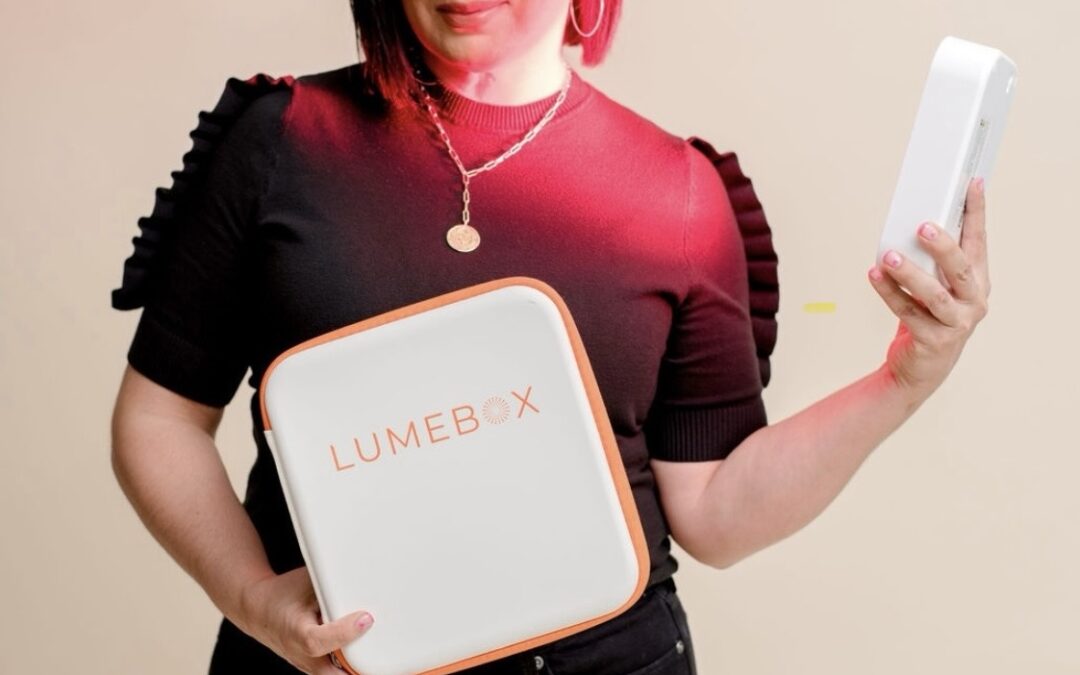
Step 5: Red Light Therapy (Especially Lumebox)
Low level laser and light therapy and visible red light are among the best supported non drug therapies for hair growth.
-
Evidence for red light in hair growth
-
Randomized, double blind, sham controlled trials using red light around 650 to 660 nanometers show significant increases in hair count, density, and thickness over 16 to 26 weeks in people with androgenetic alopecia compared with sham devices.
-
Meta analyses and longer term studies report continued safety and sustained or improved hair parameters with ongoing use, which makes low level light therapy a strong adjunct to nutrition and topical support.
-
-
Why red light is so powerful
-
Red and near infrared light often around 650 to 660 nanometers and 800 to 850 nanometers enhance mitochondrial function and ATP production in follicle cells and this encourages follicles to move from resting into active growth.
-
Red light also supports microcirculation and modulates inflammation and oxidative stress in the scalp and this creates a more favorable environment for hair growth.
-
-
Lumebox: how to use and combine with products
-
Devices like Lumebox are designed to deliver clinically relevant red light wavelengths similar to those used in trials that showed improved hair coverage and density.
-
Using Lumebox about 3 to 5 times per week for 15 to 20 minutes or as directed aligns with the frequency and duration used in successful studies.
-
For synergy, apply your chosen scalp product such as Anya Hair Serum, Amazing Hair Saviour hair oil, or a lightweight serum, perform a brief scalp massage, and then use Lumebox. This combination supports circulation, cellular energy, and topical penetration at the same time.
-
Red light from a device like Lumebox is particularly powerful when layered on top of strong foundations such as personalized insights from 3X4 Genetics, targeted supplements like Nutrafol and your Fullscript bundle, scalp friendly products including Anya Hair Serum, Amazing Hair Saviour, One Skin, and Innersense, and consistent lifestyle habits.
*This content is for educational purposes only and is not intended to diagnose, treat, cure, or prevent any disease. It does not replace individualized medical advice, and you should always consult with your healthcare practitioner before starting, changing, or stopping any supplement, medication, or new regimen, especially if you are pregnant, breastfeeding, or have existing medical conditions.
Xo,
Clarita, Founder of Claridad